


Living with polycystic ovary syndrome (PCOS) and getting pregnant is a dual concern for many women of childbearing age.
Life with PCOS can be complex without some medical guidance. This article discusses symptoms, ways to conceive, and nutrition to include in your diet if you have PCOS.
What is PCOS?
Living with PCOS and getting pregnant is challenging because your body doesn’t produce the hormones necessary for regular ovulation. Without these hormones, the egg inside the ovary does not fully mature.
The follicle that holds the egg still grows and fills with fluid. However, there is no mature egg to rupture it, so it remains a cyst. The cysts with PCOS produce higher than average amounts of androgens (male sex hormones), which blocks ovulation.
Because no mature egg is released, ovulation fails to occur, and the hormone progesterone is not made. This results in an irregular or absent menstrual cycle.
If you have PCOS and getting pregnant is your ultimate dream, some treatments may help you achieve this.
How can I conceive with PCOS?
Polycystic ovary syndrome, or PCOS, is a hormonal condition. In women who have it, it can affect their ability to have a child. It can also make your periods stop or become hard to predict.
There are treatments for the symptoms, and if you want to get pregnant, that’s still possible, though you may need to try different methods. They include:
Fertility medications
Fertility drugs may help symptoms of PCOS in an attempt to temporarily assist with ovulation. The traditional fertility agents Clomid, Serophene, and various preparations of injectable gonadotropins create a “super”-physiologic situation where an ‘extra push’ is given for follicular development.
One disadvantage of having PCOS and getting pregnant with fertility drugs is that these drugs tend to work in only one cycle. A developing follicle may take up to three cycles to grow and mature. This means the egg has undergone early growth stages in an abnormal hormonal environment, which may result in a poor-quality egg.
Metformin
Fertility drugs for PCOS are often taken in combination with metformin. It’s a popular anti-diabetic medication. Metformin, also known as Glucophage, helps to lower insulin levels.
IVF
In vitro fertilization (IVF) is another excellent option for getting pregnant with PCOS. While IVF can be expensive and time-consuming, many women with PCOS have had great success with IVF, getting pregnant and bringing home healthy babies.
Ovarian drilling
Your doctor may opt for a minimally-invasive surgery to induce ovulation. This type of laparoscopic surgery is called “ovarian drilling” and involves puncturing the ovary with a small needle that carries an electric current. This procedure destroys a small portion of the ovary.
Although ovarian drilling can help lower male hormone levels and induce ovulation, the effects of the procedure may only last for a few months. The procedure also risks developing scar tissue between the fallopian tubes and ovary and other problems that can hinder your ability to get pregnant.
Natural PCOS fertility aids
There are steps you can take to naturally bring about ovulation. By maintaining a healthy weight and eating fewer processed foods or foods without added sugar, you can improve your body’s use of insulin and balance your hormone levels.
Some women report complete relief of PCOS symptoms after changing their diet and exercise habits. Weight loss can help to regulate your cycle, improve the frequency of ovulation, lower androgen levels and thereby improve your fertility.
Having PCOS and getting pregnant does increase the risk of miscarriage, gestational diabetes, high blood pressure, or premature delivery. Still, in general, women with PCOS do experience healthy pregnancies.
Symptoms of PCOS
If you have any of the following symptoms, make an appointment to get checked out:
Irregular periods to no periods
Inability to get pregnant or recurrent miscarriage
High levels of androgen “male” hormones
PMS and pelvic pain
Acne and oily skin
Balding or thinning hair
Dandruff
Hirsutism: excessive hair growth in areas on the face, neck, chest, stomach, back, hands, feet
Obesity or weight gain – especially around the waist,
Insulin resistance or type 2 diabetes
Skin tags
High cholesterol
High blood pressure
5 foods that aid conception
Though PCOS is incurable, there are rich nutrients that help manage insulin levels. Some of them include:
- Egusi soup
Even though egusi soup sparks a lot of controversies, it contains good fats that reduce inflammation and maintain cell structure.
- Porridge beans
Beans are a leguminous crop that is rich in fibre and has a low sugar level.
- Fruits
Fruits are high in antioxidants that contain natural sugars. Cut down on artificial sweeteners found in sodas and fruit drinks.
- Invest in foods with low glycemic index
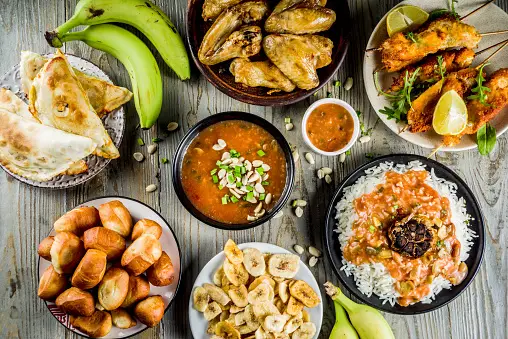
In other words, these foods are low in blood sugar because they take time to digest. They can be incredible in people with PCOS. Some include okro, unripe plantain, potatoes, carrots, and cashew nuts.
- Vegetables
It's no news that dark green vegetables are the heroes of antioxidants. They help minimize inflammation common in women with PCOS. Some of these vegetables include; ugwu, ewedu, scent leaves, and bitter leaves.
Way forward
PCOS doesn't just affect your physical being. It affects your mental and emotional abilities. You may experience heightened moods and sometimes feel depressed.
PCOS is best managed, and many women have gotten pregnant by sticking to their medication and consulting their doctor often. Stay safe and healthy.



Comments