

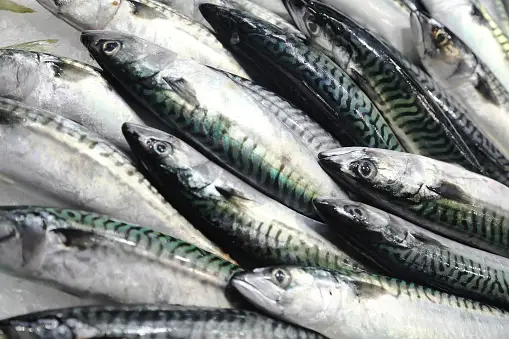
Various pelagic fish species, primarily those belonging to the family Scombridae, go by the common name "Mackerel." Particularly in Nigeria, it is called "Titus fish."
Titus fish contains high omega-3 polyunsaturated fatty acids, which may reduce the risk of heart disease, cancer, and arthritis by reducing inflammation.
Components of titus fish
Titus is abundant in vitamins, minerals, and essential oils. Some of them include;
- High concentrations of omega-3 and omega-6 fatty.
- Vitamins A, B6, B12, C, D, E, and K are present.
- The fish contains a variety of minerals in abundance. These include selenium, potassium, sodium, phosphorus, calcium, iron, and magnesium.
- It contains trace minerals like copper and zinc.
- Protein and the anti-oxidant Coenzyme Q10 are also present in the fish.
Is it safe for a pregnant woman to eat titus fish daily?
The growth of the foetus may be at risk of excessive fish consumption. Therefore, pregnant women should consume at least 8 ounces (224 grams) and up to 12 ounces (340 grams) of a variety of lower-mercury seafood per week. That is roughly two to three servings per week.

Health benefits of titus fish during pregnancy
It helps to control diabetes: Titus fish may help control blood sugar levels due to the presence of monounsaturated fatty acids. They help to manage blood sugar levels and insulin resistance.
It lowers blood sugar: Eating titus fish helps lower blood pressure in pregnant women with high blood pressure. Lower blood clotting and lipid levels result from a diet high in fish, which may minimise the risk of cardiac arrest in expectant mothers.
Improved cognitive skills: Eating fish during pregnancy is associated with better brain development, including cognition, vision, and motor skills in newborns, which is probably due to the role of omega-3 fatty acids in neurologic development. Additionally, the third trimester is a time of sporadic infant growth, so eating fish during this time is crucial.
Helps in depression and preterm labour: Titus fish is also beneficial for mothers. It may help to decrease prenatal depression and preterm labour. DHA from omega-3 fatty acids has also been demonstrated to help prevent peripartum depression.
Healthy skin: Lean protein, an important amino acid that supports foetus growth, is abundant in titus fish, which is a potent supply of this protein. It aids in developing the baby's hair, bones, skin, and muscle cells.
Improved immunity: Titus fish improves the body's defences against oxidative stress. It has a coenzyme Q10 component, and Selenium, an antioxidant mineral in titus fish, may help prevent cellular mutation and hazardous diseases. As a result, it is closely connected to avoiding infections and boosting the immune system.
Does titus fish contain mercury?
There are two species of titus (mackerel) that are well-known in Nigeria: Chub mackerel (Scomber japonicus) and Atlantic mackerel (Scomber scombrus).
However, not all mackerel is recommended. Titus fish is known to have low to moderate amounts of mercury. The amount of mercury in mackerel can change depending on the species and size of the fish. Fewer mackerel species typically have lower mercury levels than larger predatory fish.
Even though mackerel is frequently cited as one of the fish species with the lowest mercury level, it is still best to eat it in moderation, especially when pregnant. It's healthy to choose smaller mackerel species and pay attention to the source of the fish if you're pregnant.
Side effects of titus fish in pregnancy
Allergies: A seafood allergy, especially mackerel, is possible in some people. Avoiding mackerel during pregnancy is essential if you have known seafood sensitivities.
Mercury content: One of the larger mackerel species, the Spanish mackerel, has been discovered to contain small amounts of mercury. High mercury consumption during pregnancy may impair the developing child's nervous system. Selecting smaller mackerel species and consuming them in moderation is essential to lowering mercury exposure.
Bacterial contamination: To completely remove the chance of bacterial contamination, properly cook the mackerel. Do not consume uncooked or undercooked fish.
Intestinal problems: Pregnant women can feel heartburn or intestinal discomfort after consuming fish. If this happens, modify your diet or cooking techniques.
In summary, pregnant women should try to consume fish regularly, mainly fish richer in DHA, like sardines and mackerel. Avoid shark, king mackerel, tilefish, swordfish, and raw fish dishes like ceviche and sushi.
Speaking with a certified dietician or healthcare professional is crucial because every pregnancy differs. Based on the particular requirements and health of the pregnant woman, they can offer directed nutritional suggestions to ensure that both the mother and the unborn child have a healthy and safe pregnancy.
Frequently Asked Questions (FAQs)
Can I eat titus fish during pregnancy?
You can eat titus fish during pregnancy but in moderation.
Does titus fish contain mercury?
Titus fish contains small amounts of mercury, which is safe.
Is titus fish the same as mackerel?
Mackerel has a lot of variety, but in Nigeria, we are only familiar with the titus fish, also known as mackerel.
Join over 200,000 Nigerian preggos in Nigeria's largest online antenatal class, PreggClass. Not all your antenatal concerns and questions will be answered in the hospital. With only N10,000, you gain 24/7 access to medical professionals, practical classes, live sessions, labour, delivery and motherhood classes. For more information, contact us on WhatsApp.





Comments